More than a slogan
Route 66 is often sold as neon, burgers and classic cars. Those things are part of it, but they are not the whole story. The road became famous because it carried people, goods, dreams, hardship, advertising, architecture, music and myth across a changing country. To travel it well, you need to look beneath the surface.
Migration
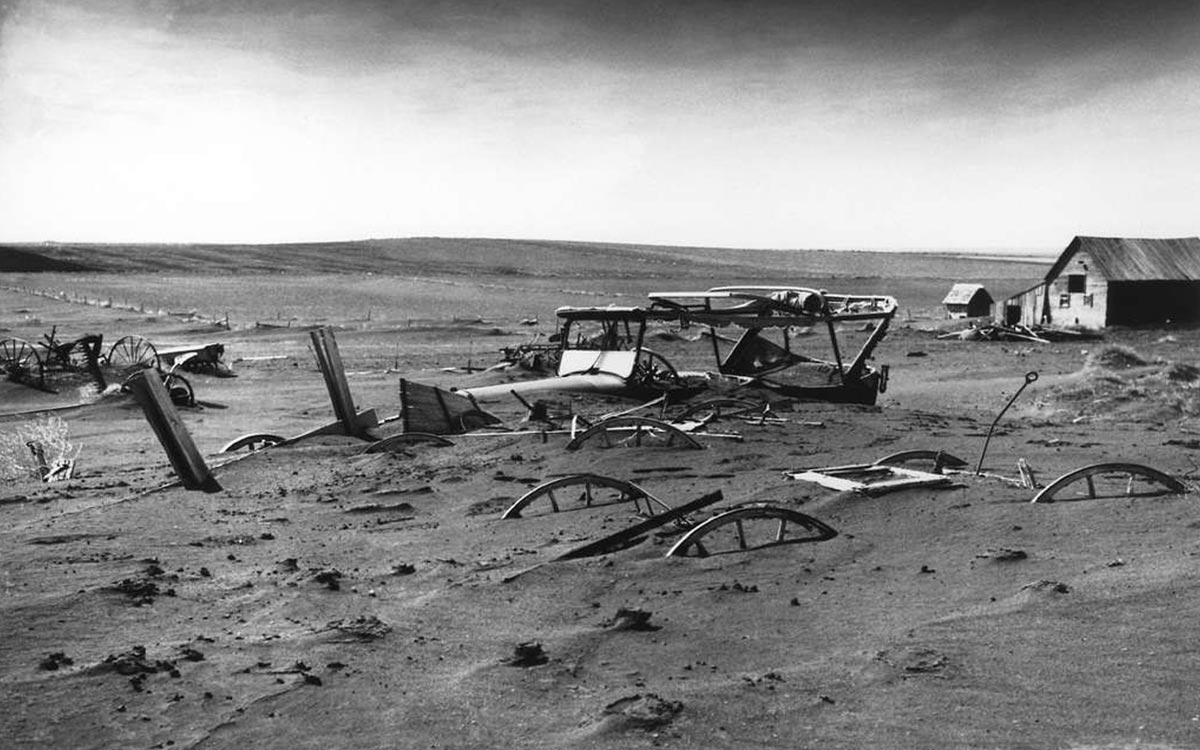
One of the road’s deepest associations is migration. During the Dust Bowl years, families moved west in search of work and survival, and Route 66 became a symbol of that difficult movement. The road was not always romantic. For many, it was a desperate line toward possibility. Remembering that history gives weight to the cheerful roadside imagery. The same road that now sells milkshakes and postcards once carried loss.
Commerce
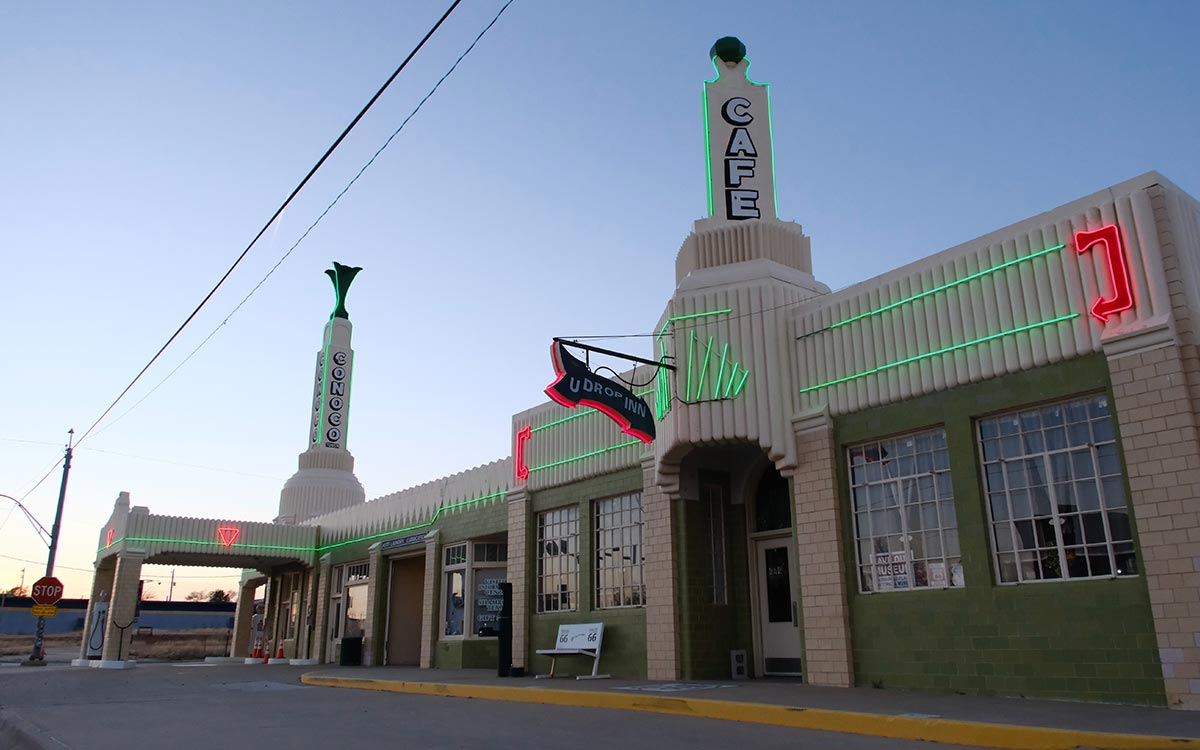
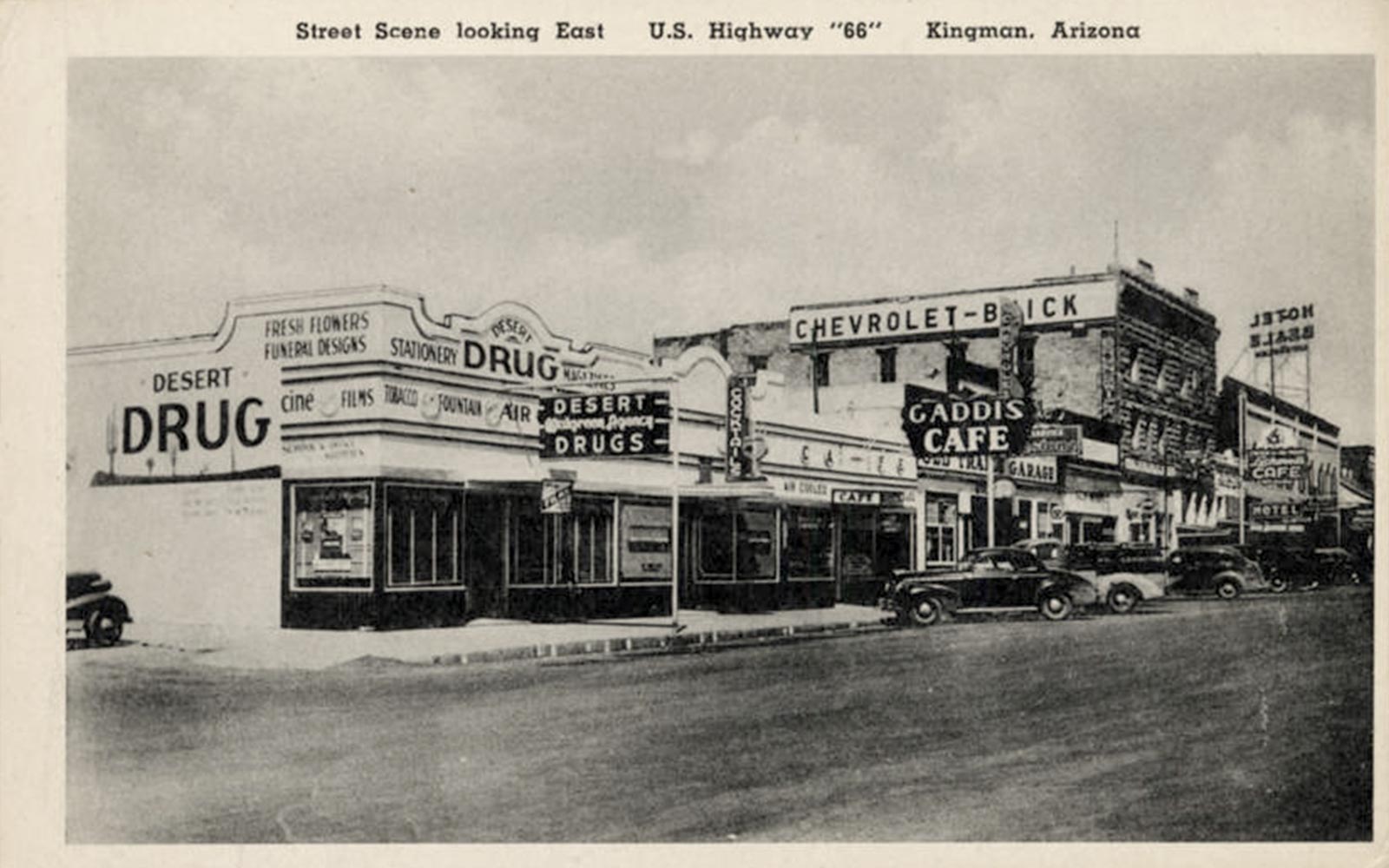
Route 66 helped shape roadside commerce. Gas stations, diners, motels, garages, souvenir shops, trading posts and tourist courts grew around the needs of motorists. The road changed how businesses looked. Buildings faced traffic. Signs got taller. Mascots got stranger. Menus, architecture and advertising all adapted to the moving customer. In that sense, Route 66 is a design and business history corridor.
Music and myth
The road’s cultural image was amplified by song, film, television, literature and photography. Once a road becomes a symbol, people travel it not only to go somewhere, but to feel something they have already imagined. That is why Route 66 is powerful. You arrive with inherited images in your head, then the real road corrects them.
Communities
The road crosses many communities, including Indigenous nations, immigrant business communities, farming towns, railroad towns, mining towns, oil towns and urban neighbourhoods. Some benefited from the road; others were disrupted by the forces that came with it. A fuller Route 66 story does not erase nostalgia, but it adds complexity.
The interstate
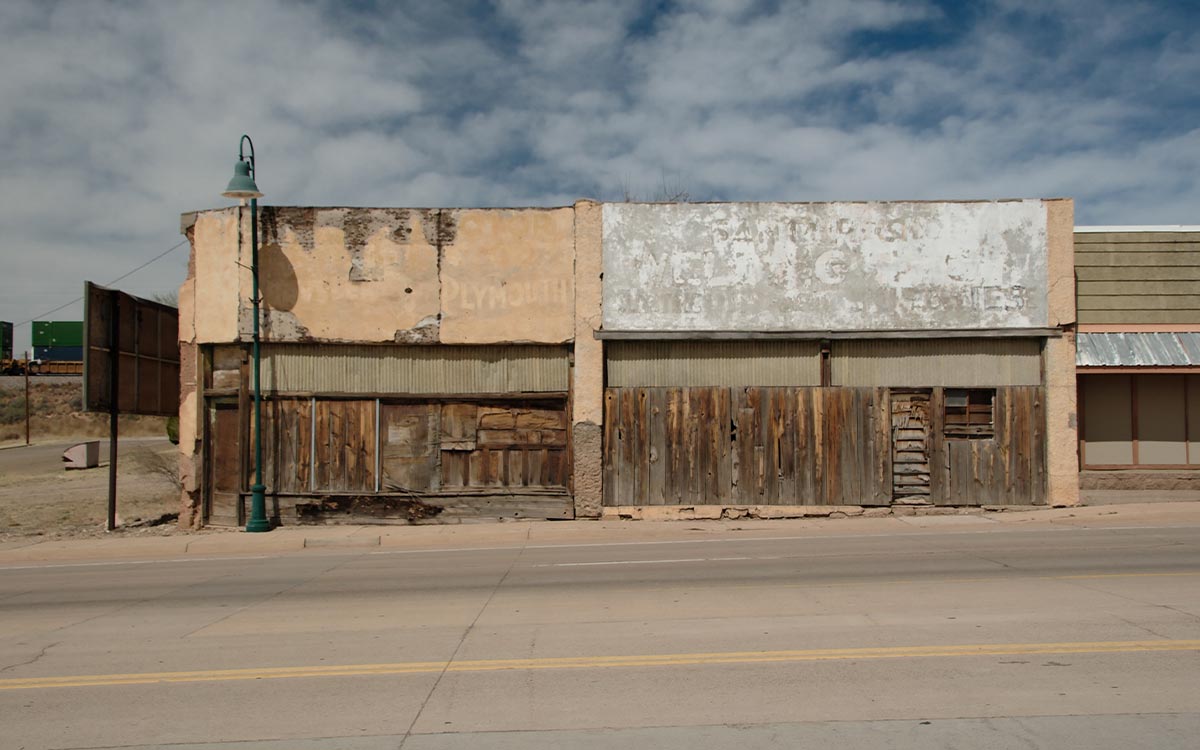
The interstate system changed everything. Faster highways bypassed towns and made long-distance travel more efficient. Efficiency is wonderful when you need it, but it can be brutal for places built around slower traffic. Route 66’s decommissioning did not end the story. It created a new one: preservation, memory, tourism and local reinvention.
Why the myth survives
The myth survives because it contains something people still want: freedom, movement, self-invention, the open road, small-town encounters and a sense that travel can change your perspective. The real Route 66 is messier than the myth, but also better. It has humour, grief, beauty, commerce, kitsch and history all at once.
The road has more than one myth
Route 66 carries several myths at once. There is the Dust Bowl road, made famous by Steinbeck's The Grapes of Wrath in 1939. There is the musical road, brightened by Bobby Troup's 1946 song. There is the television road, widened into a national symbol by the Route 66 series from 1960 to 1964. There is the family-vacation road of diners, motels and attractions. There is also the bypassed road, where the interstate changed the economic map.
The mistake is choosing only the cheerful myth. The highway did represent freedom for many travellers, but that freedom was uneven. The National Park Service's work on Route 66 and the Green Book makes clear that Black travellers needed trusted information to find safe lodging, food and services during segregation. Native communities along the corridor also experienced tourism, commerce and representation in complicated ways.
Dates that shape the story
The Negro Motorist Green Book, created by New York postal worker Victor H. Green, was first published in 1936 and continued into the mid-1960s. It helped Black travellers identify hotels, restaurants, service stations and other businesses where they could expect to be welcomed during the era of segregation. Its history is an important reminder that the freedom associated with the American road trip was not experienced equally by everyone travelling Route 66.
A good Route 66 story should hold the romance and the reality at the same time. The road can be beautiful, playful and generous while also being a record of migration, exclusion, labour, marketing, land use, bypass and survival.
This is why Route 66 is still such fertile material for writing. The same mile can hold a migrant memory, a song lyric, a motel sign, a family business, a bypass wound and a preservation win. The best stories do not simplify that mix. They let the road stay complicated.
Take it with you in Route 66 Logbook
Use Route 66 Logbook as a way to connect the history to real places on the road. When you save a stop, add a note about the larger story it belongs to: migration, Green Book history, roadside commerce, neon, an old alignment, preservation or the interstate era.
Look for history in ordinary places
One of the best ways to access deeper stories is to read local panels instead of only national summaries. A town museum may explain a bridge, a family business, a racial history, a flood, a bypass or a restoration effort in a way no broad guide can.
Compare the myth with the evidence
The myth of freedom is powerful, but freedom was not equally available to everyone on the road. Thoughtful Route 66 travel makes space for that truth. Ask who could stop safely, who owned businesses, who was excluded, who migrated and who stayed.
Let each state complicate the story
The road's commercial history is not shallow. Advertising, architecture and hospitality shaped how Americans travelled. A giant sign, a themed motel or a painted slogan might look kitsch now, but each was a practical response to competition and movement.