
The responsibility
Route 66 is fun, but it is not disposable fun. The road survives through local labour, preservation grants, volunteers, small businesses, museum keepers, sign restorers, motel owners, historians, artists, town councils and travellers who choose to care. Every visitor becomes part of the road’s current story. That can be a gift or a burden, depending on how we behave.
Spend locally
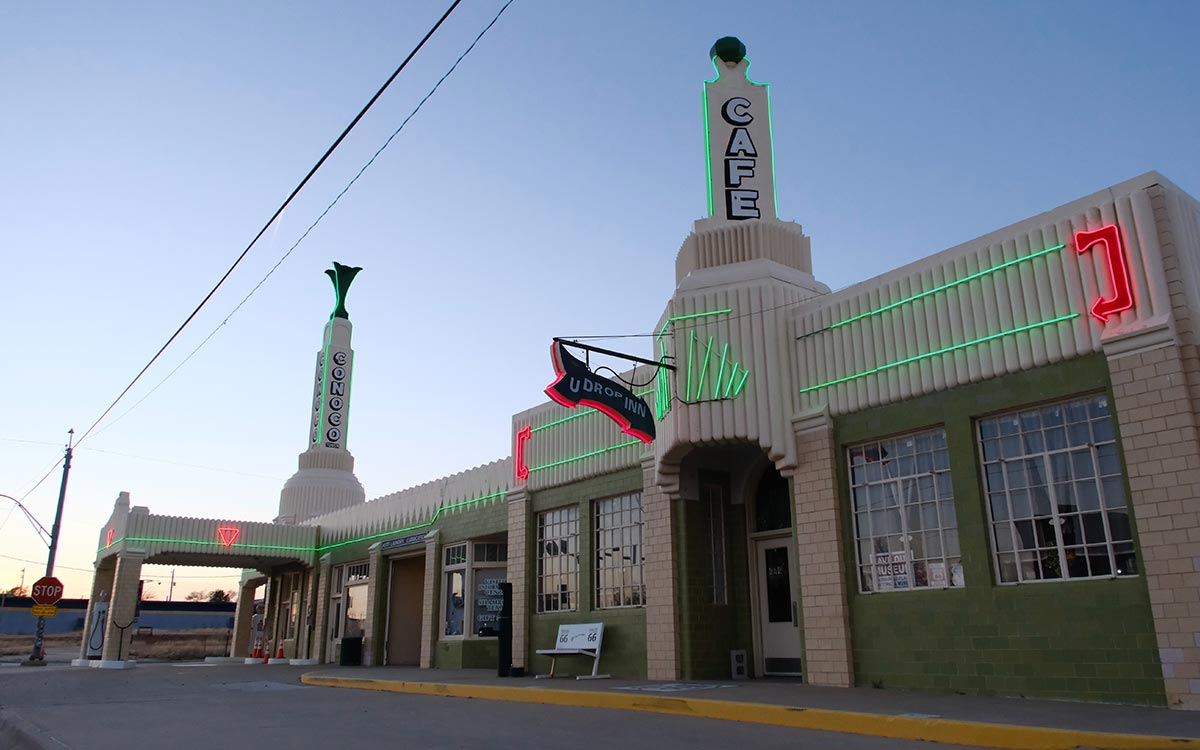
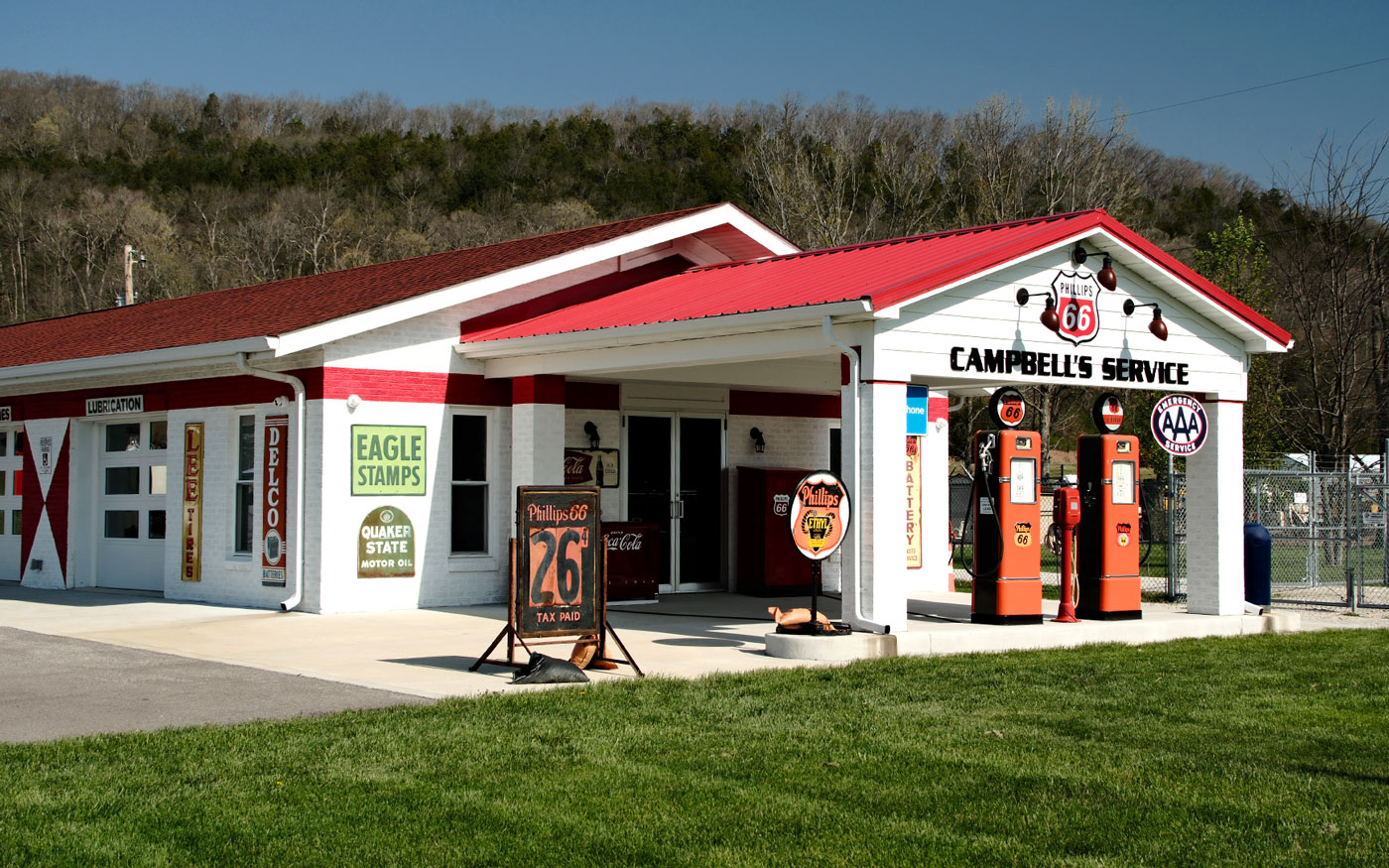
The simplest way to support Route 66 is to spend money with the people keeping it alive. Stay at independent motels. Eat at local cafes. Buy postcards from museum shops. Pay for tours. Tip well. Purchase something from the restored gas station or visitor centre. A photograph does not pay the electricity bill for a neon sign. A small purchase might help.
Respect private property
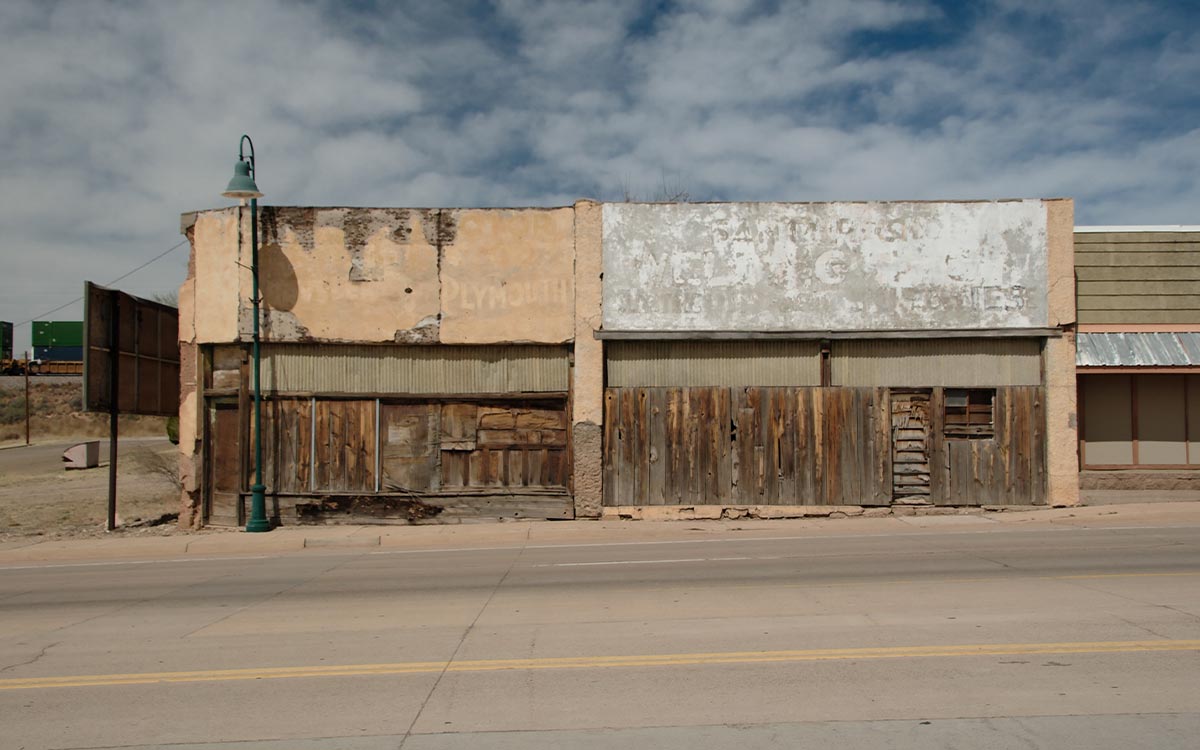
Many ruins, signs, old buildings and roadside objects sit on private land. Do not trespass. Do not move objects. Do not climb fences. Do not enter unstable buildings for a better photo. A respectful traveller understands that access is not the same as permission. If you are unsure, ask or stay back.
Tell fuller stories
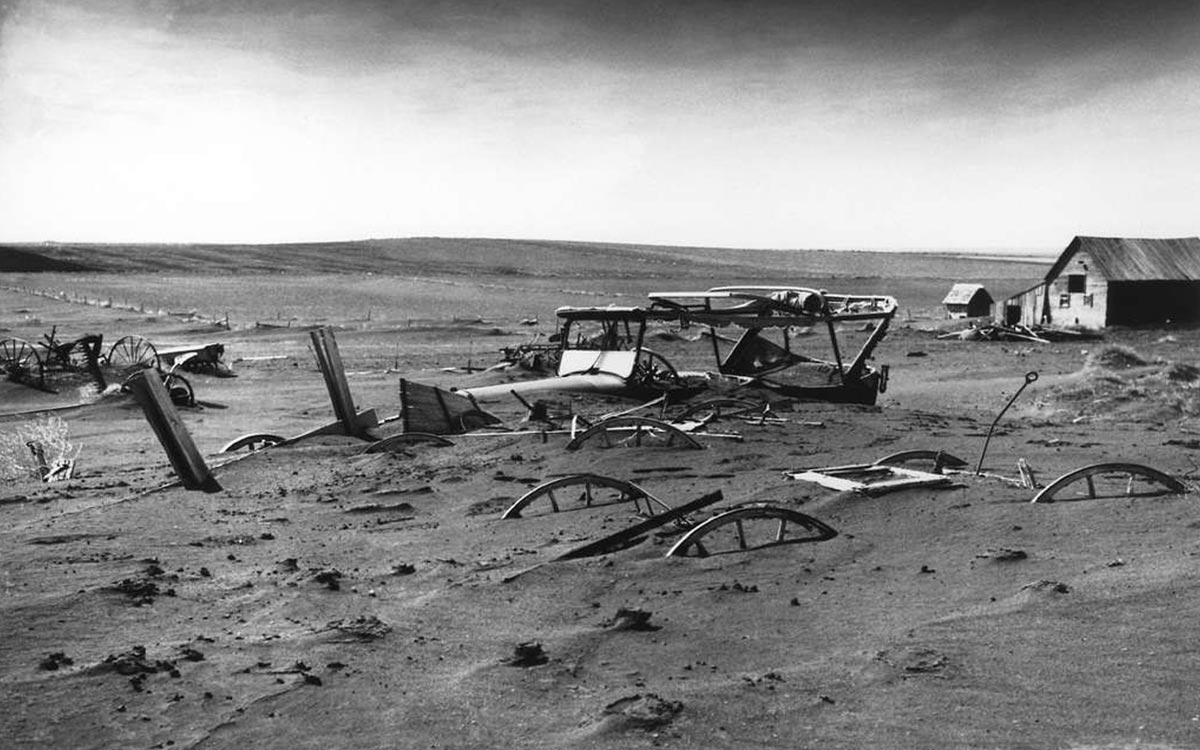
Avoid reducing Route 66 to only white nostalgia, burgers and classic cars. Those are part of the road, but the corridor also includes Indigenous histories, Black travel history, immigrant entrepreneurship, women-owned businesses, labour, migration, environmental change and communities that experienced both opportunity and loss. Tell the broader story whenever you can.
Use social media carefully
Posting locations can help businesses, but it can also overwhelm fragile places. Tag active businesses that want visitors. Be more careful with abandoned or delicate sites. Share context, not only aesthetics. A caption that says what a place is and why it matters is better than another empty 'vibes' post.
Preservation is practical
Preservation is not only about saving beautiful signs. It is about roofs, wiring, paint, insurance, zoning, volunteers, grants, tourism dollars and community will. When you see a restored building, remember that someone fought for it. When you see a decaying one, remember that saving it may be more complicated than wanting it saved.
Be a better guest
Drive patiently through small towns. Do not block business entrances for photos. Buy something if you use a restroom. Talk to people with respect. Remember that your dream road is someone else’s home. The best Route 66 travellers bring curiosity without entitlement.
The future of the road
Route 66 will not survive by accident. The centennial brings attention, but attention must become care. The road needs travellers who understand that preservation and enjoyment belong together. Go for the neon, the diners, the desert and the stories. Then do your part to make sure someone else can go after you.
Respect is preservation in daily form
Route 66 survives because people decided it was worth saving after it stopped being necessary as a federal highway. Preservation did not happen automatically. The Route 66 Corridor Preservation Act, enacted in 1999, established a federal preservation programme, and since 2001 the National Park Service has assisted more than 170 projects along the route through cost-share grants and related support.
Respectful travel is not only about manners. It is about understanding that many places on Route 66 are fragile: old buildings, private property, small businesses, volunteer-run museums, Indigenous lands, rural communities, desert environments and towns that have been photographed far more often than they have been listened to.
Practical ways to help keep it alive
Buy local when you can. Pay admission even when it feels optional. Do not trespass for a better photo. Credit small businesses accurately. Verify whether places are open before sending other travellers there. Share closures and changes responsibly. Avoid removing objects from abandoned sites. Treat roadside ruins as evidence, not as free set dressing.
The centennial will bring more attention, but attention alone does not preserve a road. Money, care, maintenance, accurate storytelling and community pride do. A good traveller leaves with photos and memories, not pieces of the place.
If a traveller wants one rule, it is this: verify before you amplify. A closed business, a threatened building or a private ruin can be harmed by careless attention. Good Route 66 travel writing should help people find places, but it should also help those places survive.
Take it with you in Route 66 Logbook
Route 66 Logbook is community-maintained, so accurate updates matter. Use it to keep track of the places you support and, where the app allows, contribute useful information about changes or closures. A good road-trip tool should help travellers find places while also helping those places be represented accurately.
Respect is mostly practical
Respectful travel is not complicated. It means noticing that the road is made of real places, not content. It means asking before assuming, paying where payment is due, thanking people, and understanding that a closed attraction may represent someone's difficult decision, not your inconvenience.
Turn admiration into support
If you love a place, say so in useful ways. Leave a thoughtful review, share accurate opening details, tag the business, buy from them, donate if appropriate, and recommend them to travellers who will treat them well. Admiration becomes support when it has practical consequences.
Become a useful Route 66 traveller
The best Route 66 travellers become informal caretakers. They correct misinformation, report closures gently, celebrate restorations, discourage trespassing and keep telling the road's fuller story. That kind of care is how a century-old highway keeps moving into its next century.