The night road
Route 66 is famous in daylight, but it becomes emotional after dark. Neon was never just decoration. It was survival. Before digital maps and online reviews, a glowing sign told tired drivers where to sleep, eat, refuel or stop. Motels, diners, theatres and service stations used light to pull people off the road. That glow still works. Even now, a good neon sign can make a traveller brake.
Why neon matters
Neon is Route 66’s visual language. It turns business names into landmarks. A motel sign is not only a sign; it is a promise of vacancy, rest, air-conditioning, a shower, a bed, perhaps a pool, perhaps a story. A diner sign promises coffee, pie, conversation and a pause from the road. Neon gave buildings personality, and in many towns it still gives them memory.
Tucumcari
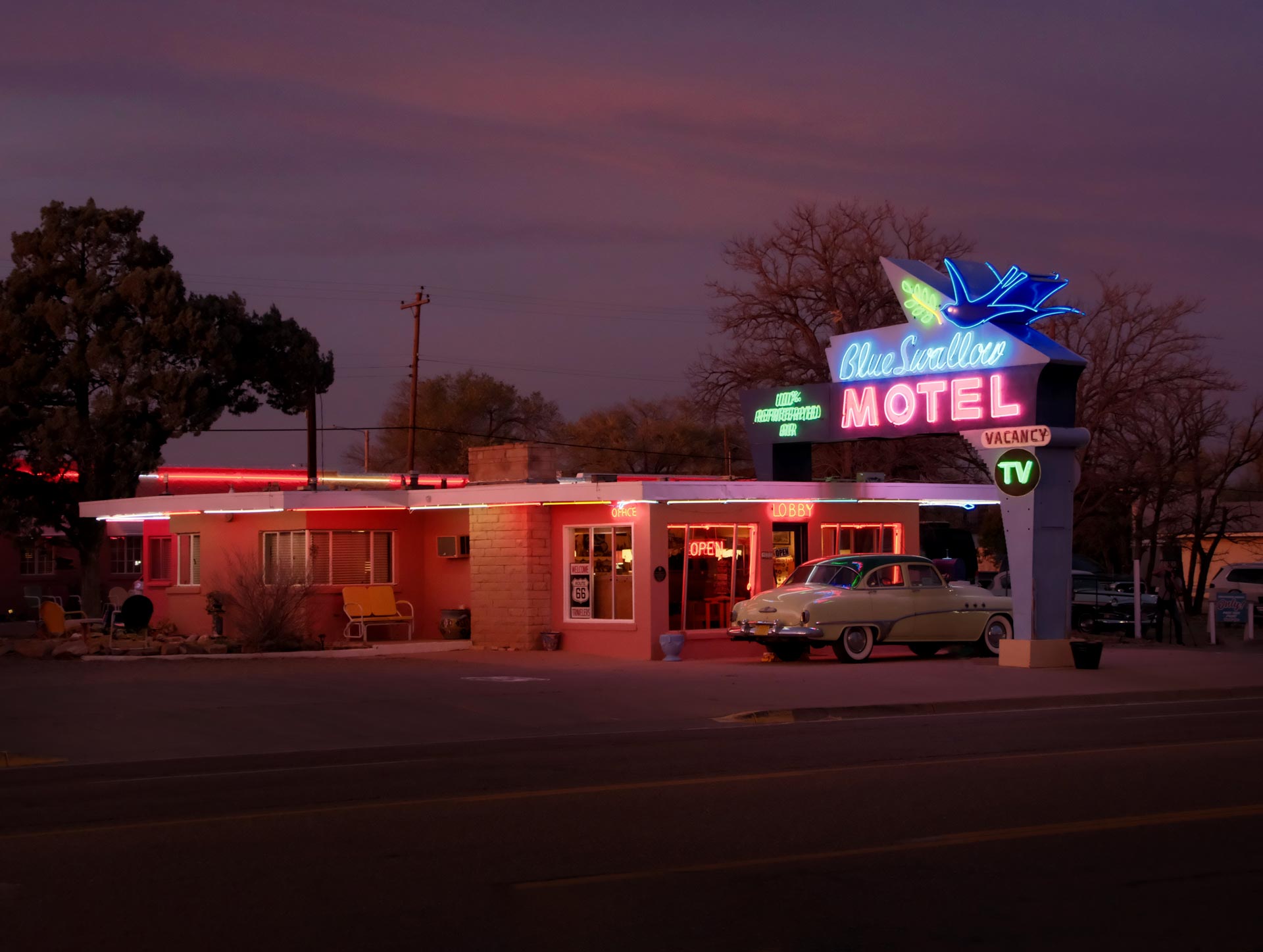
Tucumcari, New Mexico is one of the essential neon towns. The signs are part of the town’s identity, and the best way to experience them is to stay overnight. Do not drive through at midday and say you have seen it. You have not. Walk or cruise when the sky has gone blue-black and the signs begin to hum visually against the desert evening. That is when the town makes sense.
Classic motels
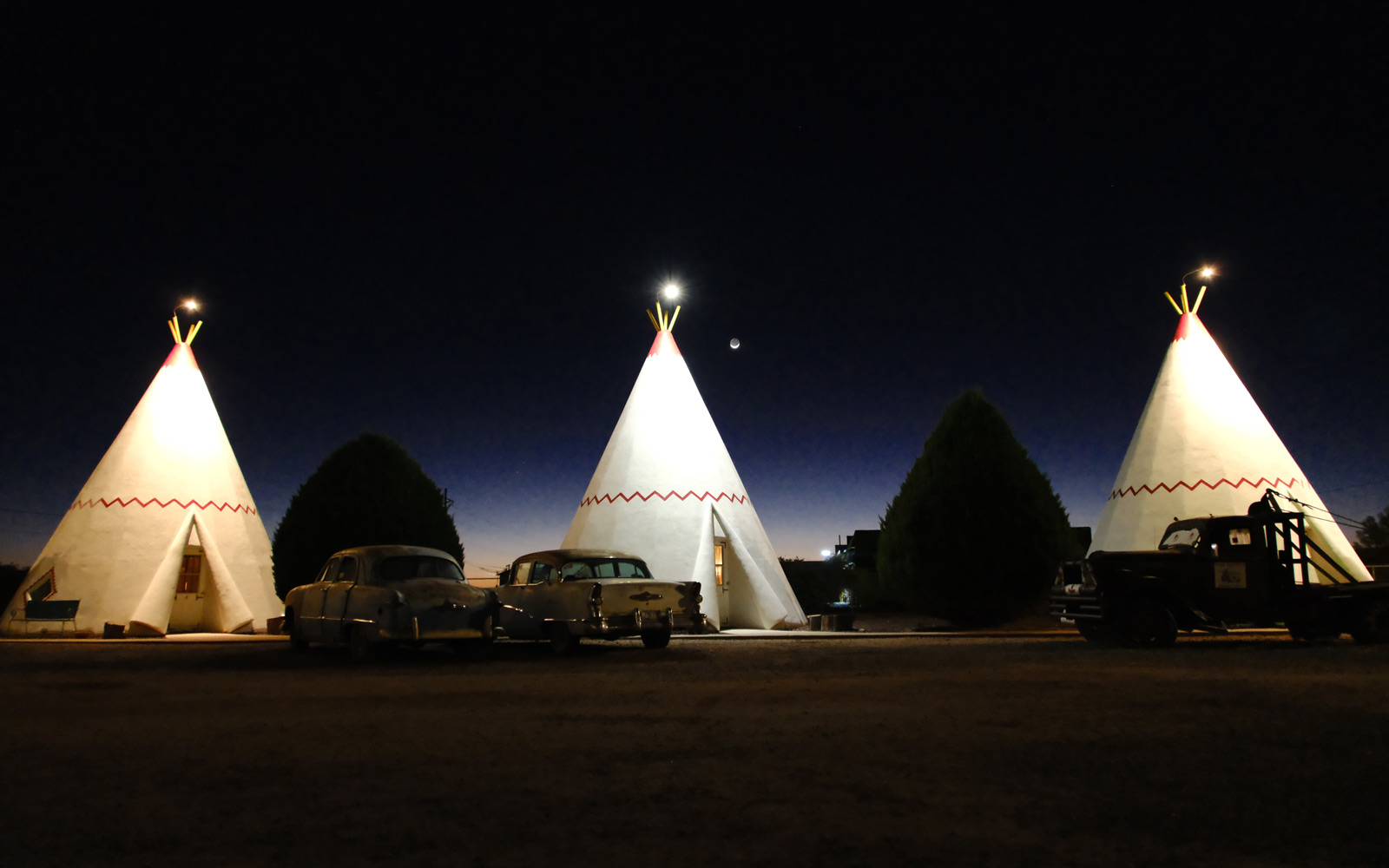
A classic Route 66 motel is not just a place to sleep. It is a design experience. Look at the sign, the office, the court layout, the car spaces, the colour palette, the old postcard view. Many were built for travellers who wanted convenience, visibility and a sense of modern comfort. The best restored motels understand that nostalgia alone is not enough; they preserve character while offering enough comfort to keep modern travellers happy.
Diners
Diners and cafes are where Route 66 becomes human. Museums tell you the story officially. Diners tell it casually. You hear where people are from, what weather is coming, which road is closed, who owns the building now, and whether the pie is worth ordering. The décor might be nostalgic, but the experience is current. You are not stepping back in time; you are participating in a living roadside economy.
How to plan for neon
If neon is a priority, schedule your overnights around it. Stay in towns with signs you want to photograph. Check whether signs are currently working. Some famous signs are restored, some are decorative, some only light at certain times, and some are waiting for preservation. Bring a tripod if you are serious about photography, but do not let the camera become the whole experience. Stand there for a minute without shooting.
The melancholy
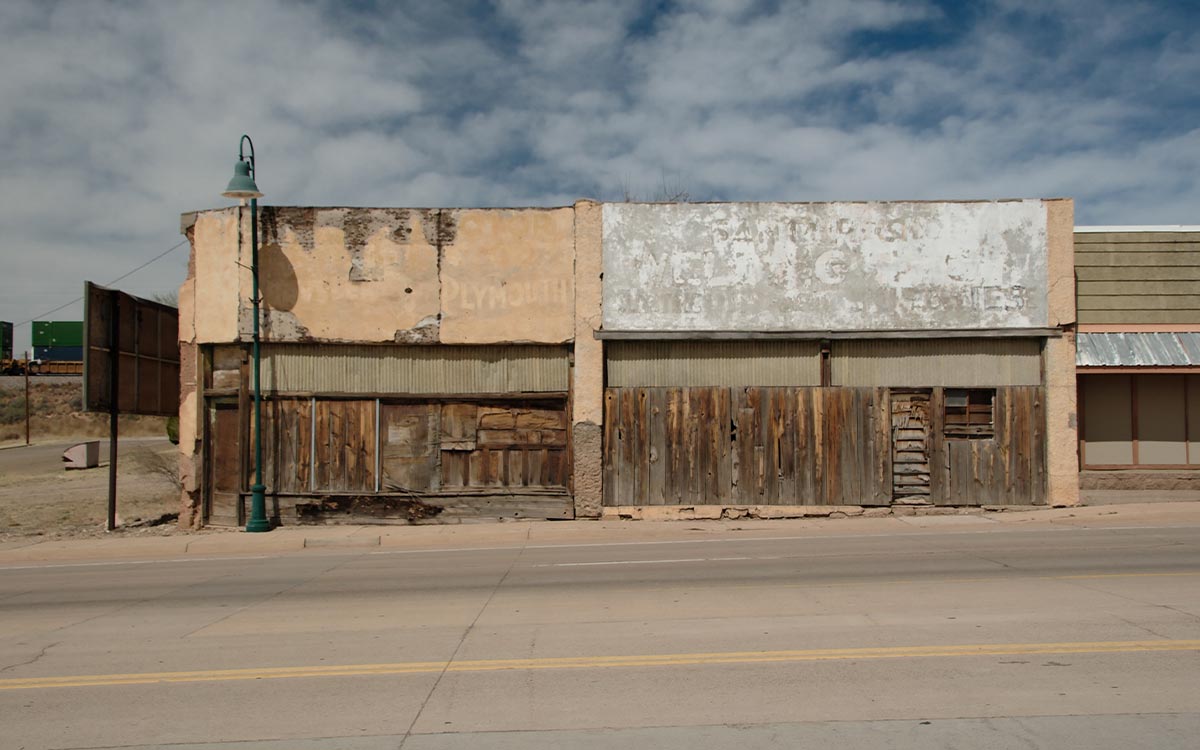
There is also sadness in Route 66 neon. A dark sign can be as powerful as a lit one. It tells you about changing traffic, closed businesses, families who moved on, preservation costs and the fragility of roadside heritage. Do not only chase the perfect glowing signs. Notice the ones waiting to be saved.
Why neon belongs to Route 66 history
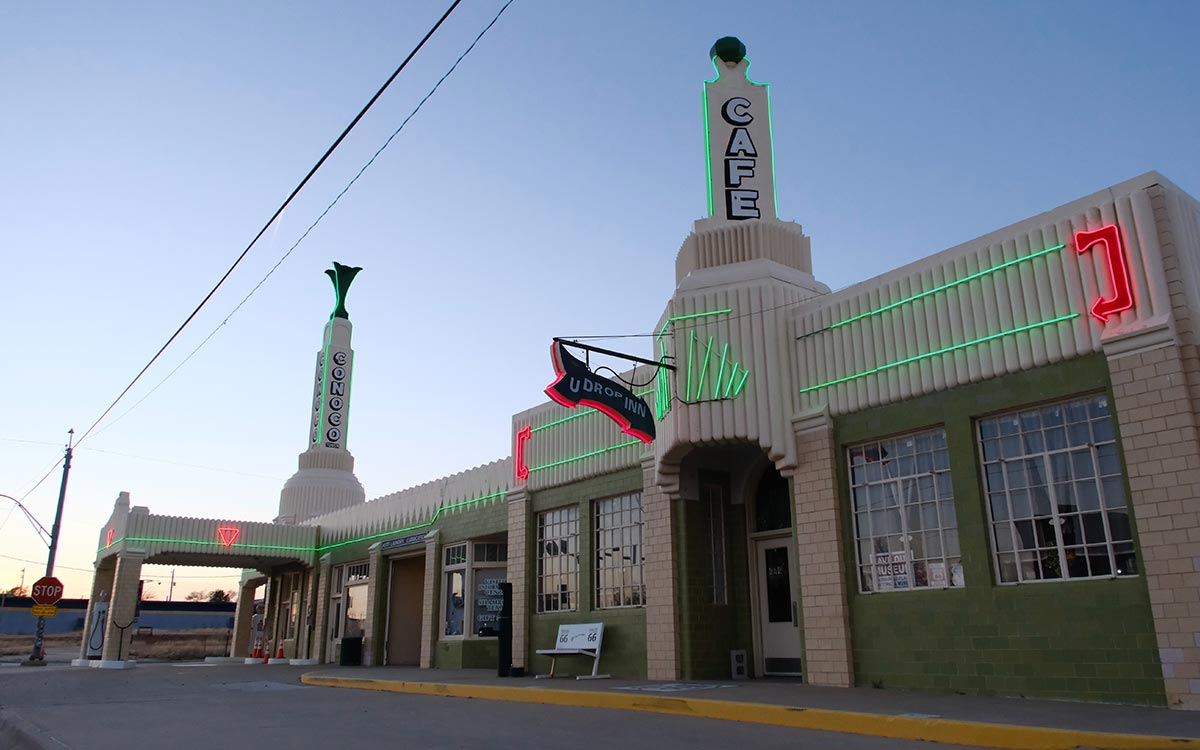
Neon is not decoration pasted onto the road after the fact. It was part of the business model. Before digital maps, online reviews and booking platforms, a motel or cafe had to announce itself to a tired driver in the dark. The sign was architecture, advertising and promise all at once. A good sign said: vacancies, coffee, air conditioning, clean rooms, safety, character, maybe even a little glamour.
The golden age of many Route 66 motels and diners overlapped with post-war car ownership, the growth of paid vacations and the family road trip. Motor courts evolved into motels. Cafes learned to serve quickly. Gas stations became visual landmarks. By the time interstates bypassed towns, those signs were often the first things travellers missed and the last things locals wanted to save.
Dates and details to notice after dark
When you travel at night, look for evidence of different eras: Art Deco lines from the 1930s, streamline forms, Googie shapes from the atomic age, hand-painted motel boards, plastic backlit signs and restored neon tubing. Do not assume every glowing sign is old, but do ask what it is trying to evoke. Some restorations are historically careful; others are modern tributes to a lost roadside language.
The best night drives are not the longest ones. Choose towns where you can park, walk and photograph without rushing. A neon sign is usually best understood with the building beneath it, the street around it and the reason it survived.
A fun detail for design-minded travellers: the word 'vacancy' is one of the great recurring signs of the motel era. It was not poetic at the time; it was practical information for drivers making decisions at the end of the day. On Route 66, the practical language of the road later became part of its visual romance.
Take it with you in Route 66 Logbook
Use Route 66 Logbook to save the motels, diners and signs you want to return to after dark, and check stop details before making a special detour. Try two notes in your logbook: “still glowing” and “gone dark”. Both belong to the story of Route 66.
Photograph neon before full dark
Neon photography works best when you arrive before full dark. Blue hour gives signs enough darkness to glow while preserving detail in the sky and buildings. If you wait until pitch black, the sign may look spectacular but the place around it can disappear.
Atmosphere can be part of the stay
A motel sign at night also changes how you choose accommodation. A plain room attached to a glowing, well-kept historic sign can feel more memorable than a more generic but technically better hotel. That does not mean sacrificing comfort; it means understanding that atmosphere has value.
Listen to the road after dark
Listen as well as look. At night you hear the road differently: tyres on the main street, insects, air-conditioning units, freight trains, a diner door, a motel ice machine. Route 66 after dark is not silent. It has its own soundtrack.